
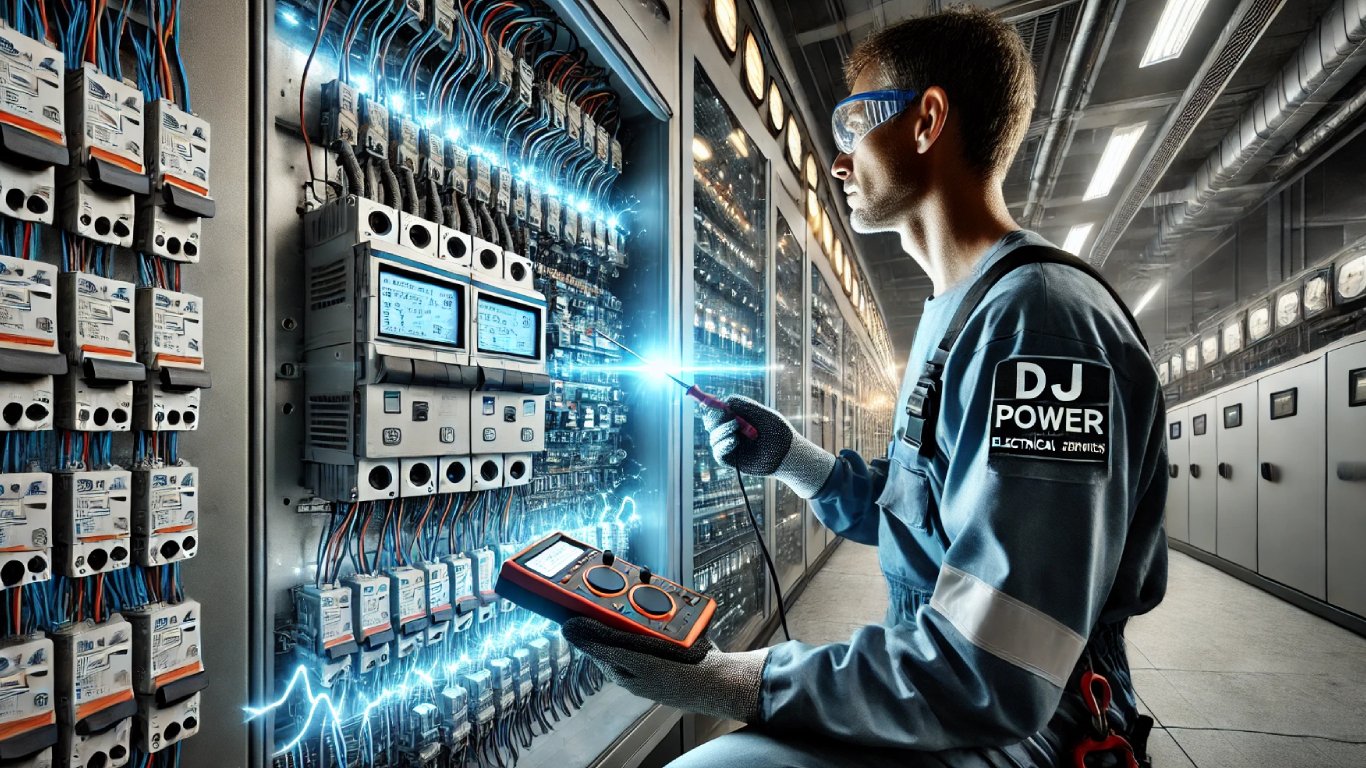
Circuit breakers play a crucial role in power systems by ensuring the protection and reliability of electrical networks. Regular testing of circuit breakers helps prevent failures, enhances system efficiency, and ensures compliance with safety standards.
Testing involves various procedures, such as contact resistance measurement, timing tests, and insulation resistance analysis. These tests help identify potential issues, such as worn-out contacts, delayed tripping, or insulation breakdowns, which could lead to major system failures.
Proper circuit breaker testing ensures uninterrupted power supply, reduces downtime, and enhances overall system reliability.
Without regular testing, circuit breakers may fail to operate during faults, leading to catastrophic damage to transformers, cables, and other electrical equipment. Preventive maintenance and timely testing help mitigate these risks.
Key Aspects of Circuit Breaker Testing
To maintain the efficiency of power systems, circuit breaker testing should focus on these key aspects:
- Contact Resistance Testing: Ensuring minimal resistance for efficient current flow.
- Timing Tests: Verifying the speed and reliability of breaker operation.
- Insulation Resistance Measurement: Detecting potential insulation failures.
- Functional Testing: Checking the breaker’s overall performance and trip settings.
- Dynamic Contact Resistance Measurement (DCRM): Evaluating wear and tear on breaker contacts.
Regular testing and maintenance of circuit breakers are essential for safe and reliable power distribution. Investing in these procedures can help prevent costly downtime and extend equipment lifespan.