
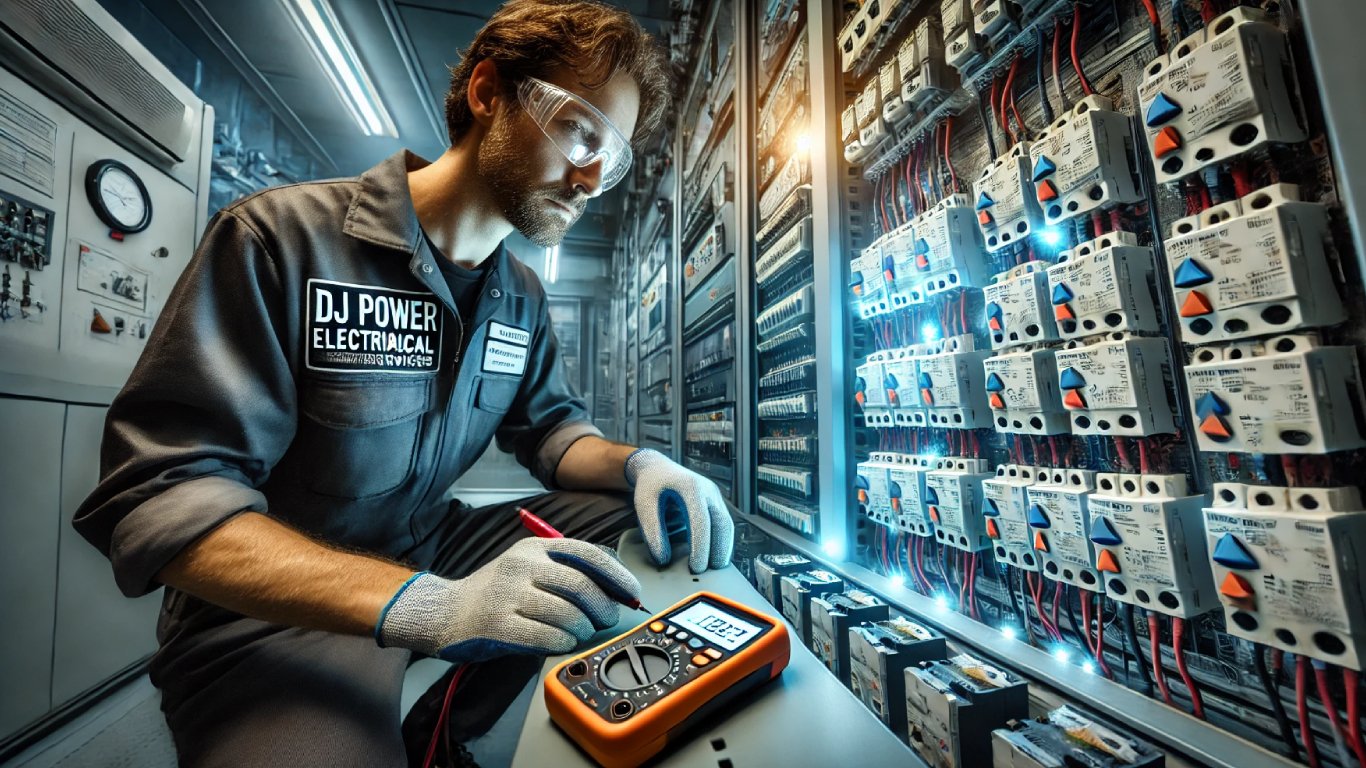
Relay testing plays a crucial role in ensuring the safety and reliability of electrical systems. By detecting faults early, it helps prevent major failures, reduces downtime, and enhances overall system performance.
Proper relay testing identifies issues like incorrect settings, aging components, or malfunctioning devices before they cause costly disruptions. It ensures circuit breakers respond correctly to faults, protecting equipment and personnel from electrical hazards.
Enhancing system safety with relay testing minimizes risks, improves operational efficiency, and extends the lifespan of electrical components.
Regular relay testing is essential for power grids, industrial plants, and commercial facilities. It ensures compliance with safety regulations and prevents unexpected failures that could lead to hazardous situations.
Key Benefits of Relay Testing
Relay testing offers multiple benefits, including enhanced protection, minimized downtime, and improved system reliability. Here are some key aspects:
- Early detection of potential faults and failures
- Ensuring proper coordination of protective devices
- Reducing the risk of electrical hazards and accidents
- Enhancing system stability and reliability
- Complying with safety and industry standards
Investing in relay testing is a proactive approach to maintaining electrical safety, reducing costly outages, and ensuring uninterrupted power supply in critical applications.