
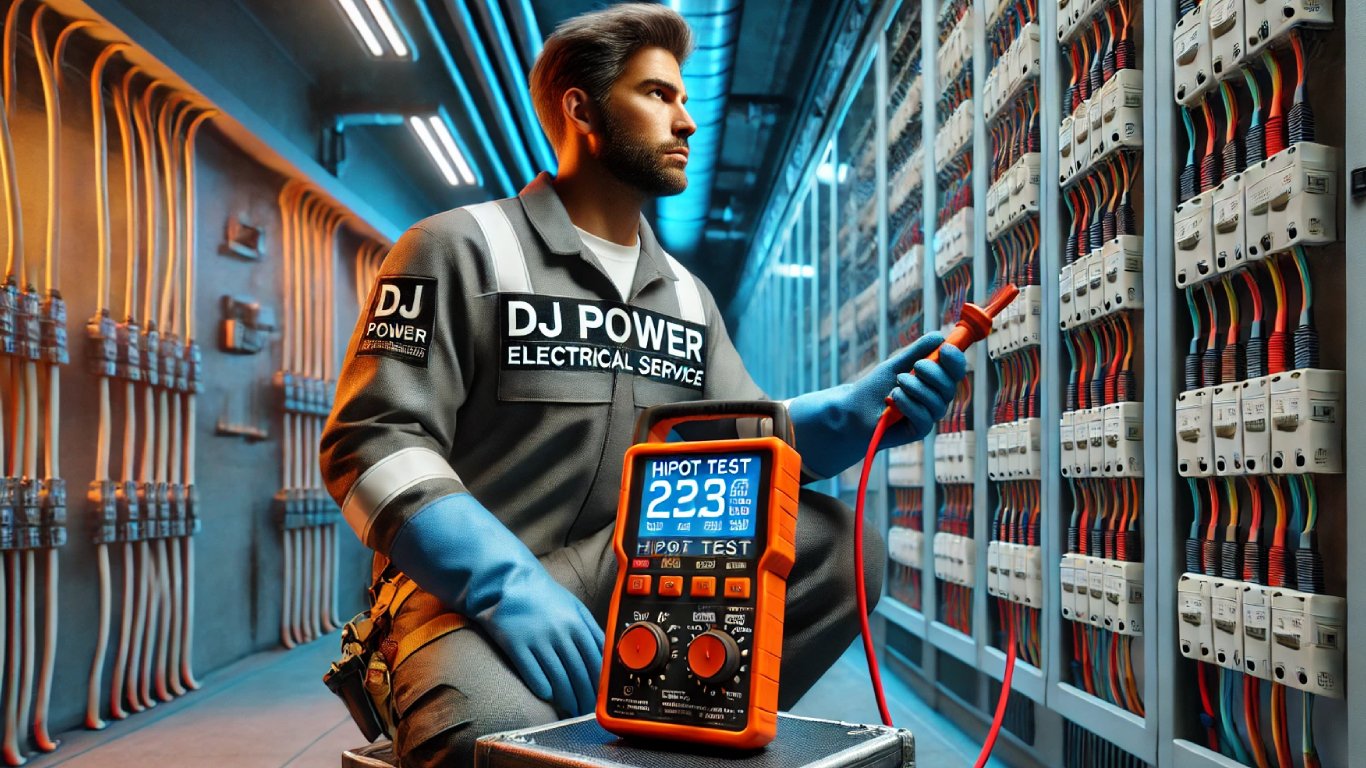
Ensure electrical safety and reliability with Cable Hipot Testing. This essential procedure helps detect insulation weaknesses, preventing potential failures and hazards. By subjecting cables to high-voltage testing, industries can maintain compliance with safety standards and enhance overall system performance.
Cable Hipot Testing is crucial for identifying insulation defects, ensuring cables can withstand operational voltages without breakdown. It is widely used in industrial, commercial, and residential settings to prevent costly downtime and electrical failures.
Regular Cable Hipot Testing enhances electrical safety, reduces risks, and ensures compliance with industry regulations. A proactive approach to testing minimizes unexpected failures and enhances system longevity.
With periodic hipot testing, industries can improve asset reliability, avoid electrical mishaps, and enhance preventive maintenance strategies. It plays a significant role in ensuring smooth and safe electrical operations.
Key Benefits of Cable Hipot Testing
Cable Hipot Testing is an essential step in electrical maintenance, providing assurance that insulation integrity meets operational requirements. Below are some of its key benefits:
- Identifies insulation weaknesses before failure occurs
- Ensures compliance with safety and industry regulations
- Reduces risks of short circuits and electrical fires
- Extends the lifespan of electrical systems and components
- Enhances reliability and prevents unexpected downtime
By incorporating Cable Hipot Testing into regular maintenance, businesses can prevent costly repairs, improve system reliability, and ensure electrical safety for personnel and equipment.